
Understanding the Absence of UK Horse Racing Events
Horse racing is one of the most storied and celebrated sports in the UK, drawing millions of fans from around the world. However, there are times when racing events are not taking place, leading to questions and concerns among enthusiasts. The answer may lie in various factors including seasonality, weather conditions, and regulatory changes. To better comprehend why UK horse racing events may not be happening at certain times, UK Horse Racing Not on GamStop learn more about the intricacies of this vibrant sport and its operational challenges.
The Seasonal Cycle of UK Horse Racing
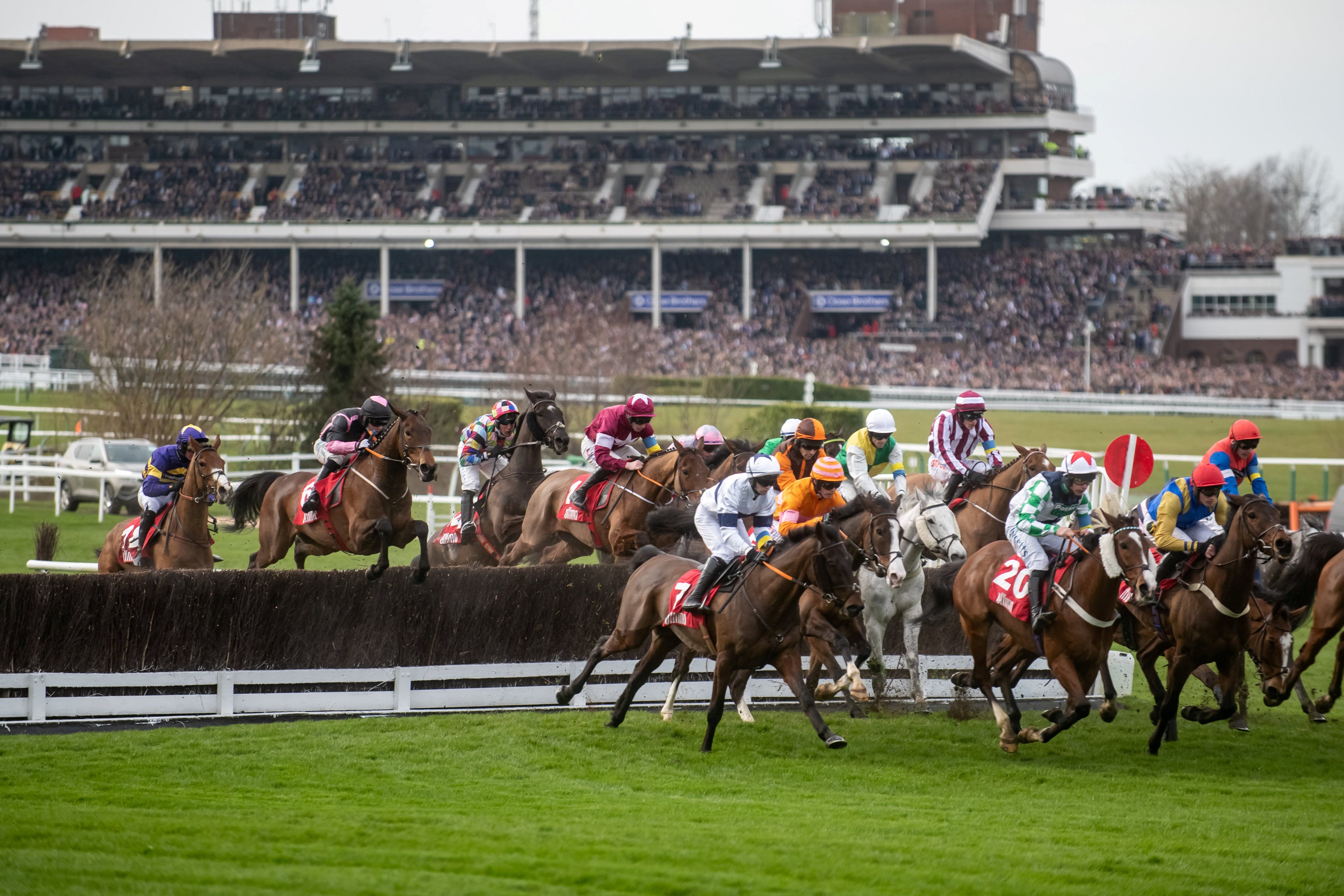
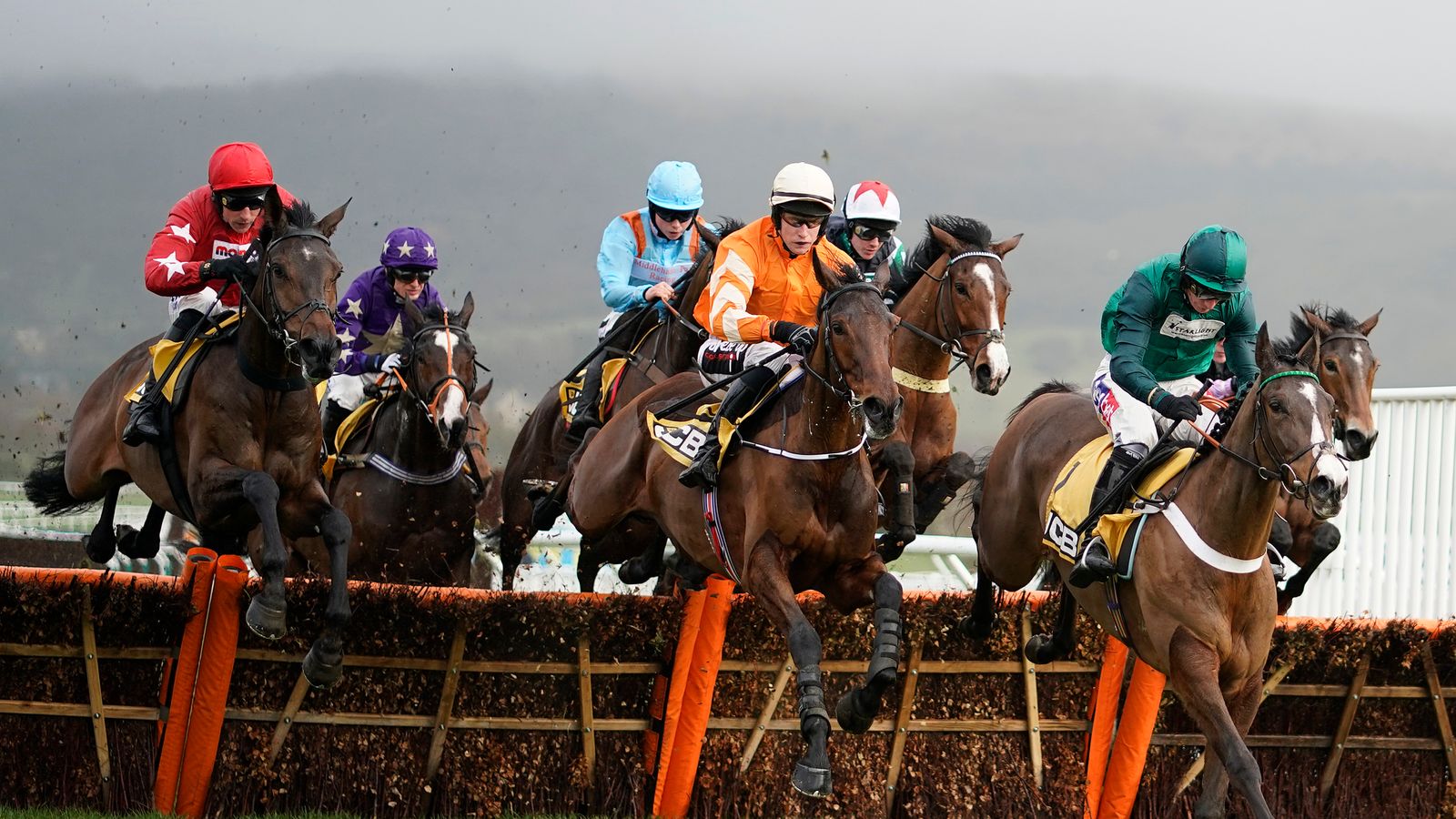
Horse racing in the UK has a well-defined seasonal calendar that greatly influences when races are held. The sport has two main seasons: the flat racing season and the jump racing season. The flat racing season generally spans from March to November, culminating in the prestigious races like the Epsom Derby and Royal Ascot. Conversely, jump racing primarily takes place from late autumn to early spring, featuring iconic events such as the Cheltenham Festival.
During the off-season, which typically occurs in the months of December through February, horse racing events are significantly reduced. This shutdown is not merely a function of weather, but also allows trainers and horses to recuperate, rehabilitate, and prepare for the upcoming season. The complexities of horse training and readiness can lead to periods where racing is simply not feasible.
Weather and Its Impact on Races
The unpredictable UK weather plays a substantial role in the scheduling and execution of horse racing events. Heavy rain, snow, or icy conditions can render racetracks unsafe for horses and jockeys alike. When the ground conditions are deemed unsuitable, race officials are compelled to cancel events to prioritize safety. This cancellation can happen with very little notice, leading to abrupt changes in what fans and participants may have anticipated.
Regulatory Considerations and Safety Protocols
In addition to natural elements, regulatory bodies such as the British Horseracing Authority (BHA) enforce strict guidelines to ensure the safety and fair play in racing. If a particular track is under review for safety reasons, or if there are concerns regarding horse welfare, it may lead to cancellations. Moreover, unforeseen circumstances like outbreaks of equine diseases can also inhibit racing activities.
Financial Implications During Off-Season
Financially speaking, the off-season presents both challenges and opportunities. While trainers and racing venues may face declining revenue during quieter months, they often engage in strategic planning and marketing to keep the sport alive in the public consciousness. Initiatives like training camps, exhibitions, and other events are organized to maintain fan engagement and to bring attention to the sport even when races aren’t taking place.
Alternative Racing Opportunities
During the off-season, other forms of equestrian sports and activities become prominent. Events like point-to-point racing, which is essentially amateur racing over the countryside, can offer enthusiasts an opportunity to witness racing outside the traditional venues. Additionally, harness racing and other equestrian disciplines provide alternative entertainment for fans looking for something different during the quieter months.
The Role of Digital Platforms
In an age dominated by technology, digital platforms have changed the landscape of horse racing in the UK. Fans can now follow races, watch replays, and engage with their favorite horses and jockeys online. Social media channels offer updates on training, breeding, and upcoming events, keeping fans informed even when traditional races are paused. This digital engagement serves to bridge the gap and maintain interest in the sport year-round.
The Future Outlook for UK Horse Racing
The future of horse racing in the UK is promising, even when certain events are not taking place. The sport continues to evolve with initiatives aimed at promoting inclusivity and attracting a younger audience. Innovations like synthetic tracks are being explored to safeguard against weather disruptions, thereby aiming for more continuous annual racing schedules.
Conclusion
Ultimately, while the absence of horse racing events in the UK may upset some fans, it is a natural part of the sport’s cycle. The seasonal nature of racing allows for recovery, preparation, and planning, ensuring that when the next racing season arrives, it is filled with excitement, anticipation, and the chance to showcase the incredible athleticism of horses and jockeys alike. Understanding the nuances behind these off-times is essential for true enthusiasts, making them appreciate the art of horse racing even more.